A personal color palette is less about strict rules and more about creating a wearable set of hues that make dressing quicker and more confident. When you know which colors harmonize with your skin tone, hair, and lifestyle, outfit-building becomes intuitive. This guide offers clear, actionable steps—with concrete outfit suggestions—to help you find and use a palette that feels unmistakably yours.
Start with three anchor tones
Choose two neutral anchors and one accent neutral to act as your wardrobe foundation. Neutrals are the workhorses: think a warm cream, a soft mocha, and a deeper grounding shade like charcoal, navy, or olive. These anchors will form the basis of most outfits and help different pieces mix effortlessly.
For example, pair a Cream Turtleneck Ribbed Bodysuit under a charcoal blazer with slim navy trousers for a polished office look. Or wear the Mocha Turtleneck Ribbed Bodysuit with olive chinos and tan ankle boots for a relaxed weekend outfit. Keeping anchors cohesive means fewer mismatched pairings and faster outfit decisions.
Identify your undertone and choose complementary hues
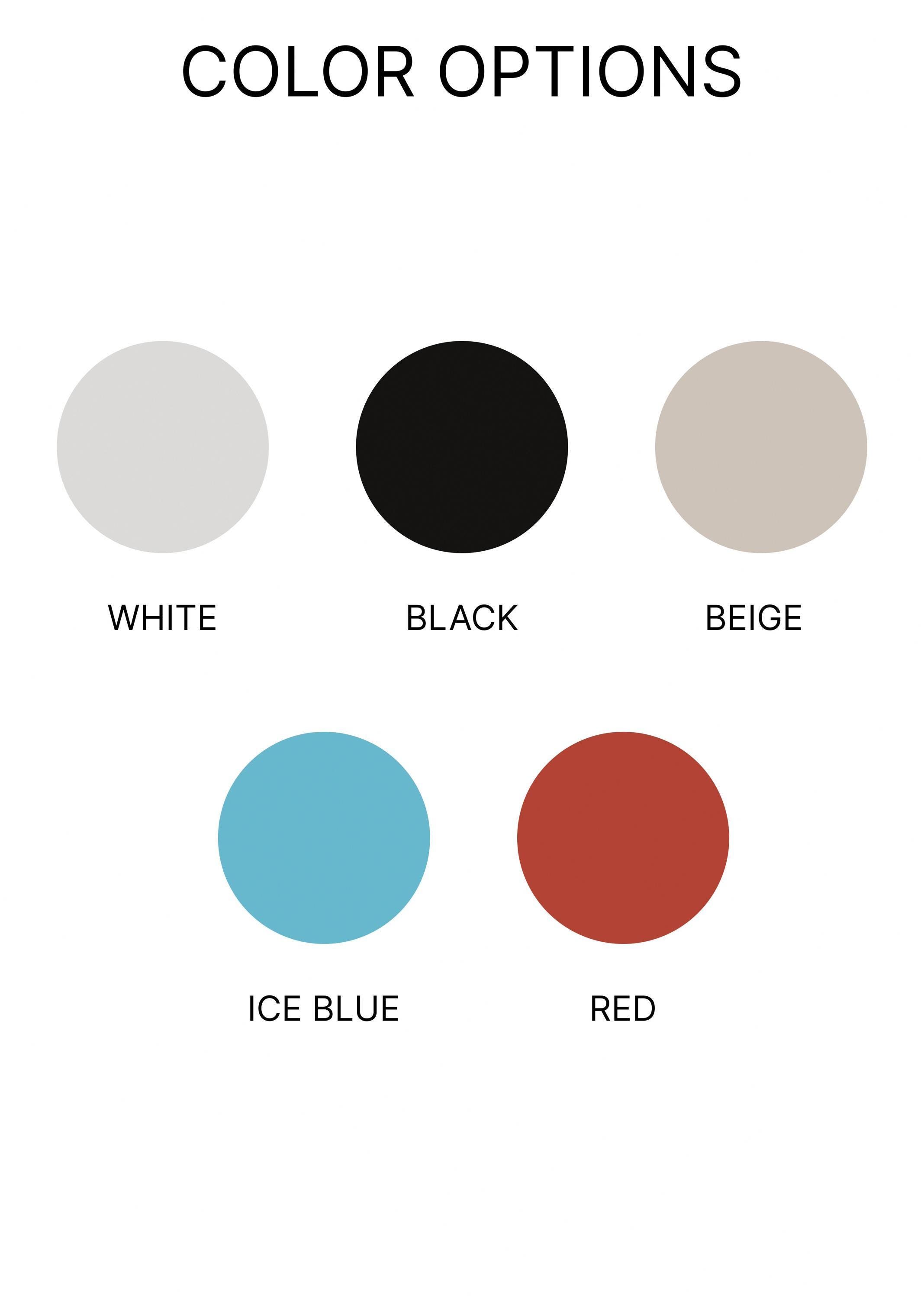
Observe your skin’s undertone—warm, cool, or neutral—by checking veins or how gold versus silver jewelry looks against your skin. Warm undertones glow with earthy and rich colors (mustard, terracotta, warm olive). Cool undertones are flattered by jewel and icy shades (sapphire, emerald, soft lavender). Neutral undertones can wear a broader range but benefit from slightly muted versions of colors.
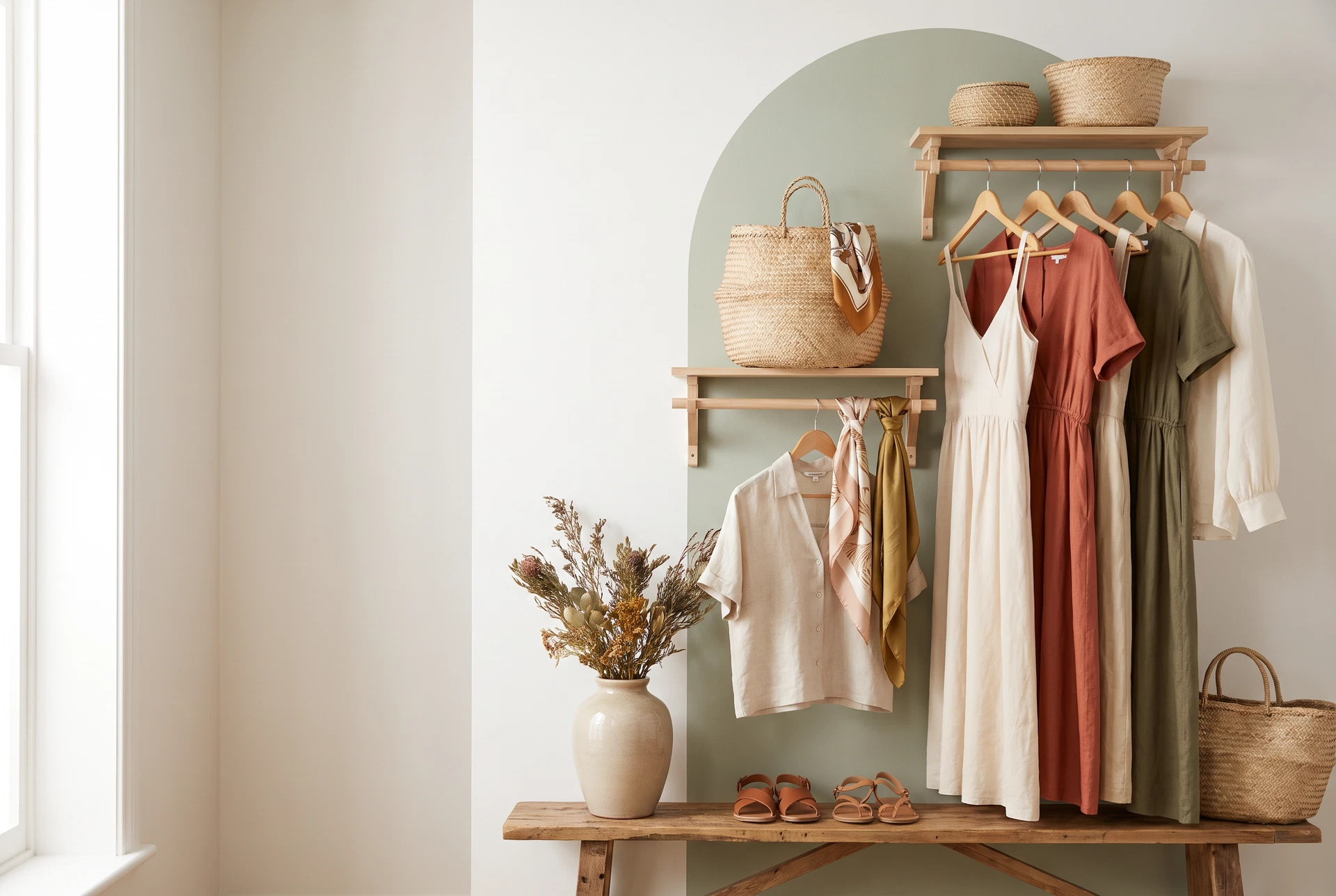
Once you’ve noticed a leaning, pick two complementary accent colors to rotate. For a warm palette, add rust and deep teal to cream and mocha anchors. For a cool palette, try dusty rose and slate blue with navy and gray. Use small accessories—scarves, belts, or a statement bag—to introduce these accents without overwhelming an outfit.
Build outfits around texture and contrast
Color isn’t the only way to create interest—texture and contrast help pieces read distinctly while staying cohesive. A ribbed cream bodysuit paired with a smooth wool skirt creates subtle contrast; a suede jacket over a mocha knit gives depth. Aim for at least two textures per outfit to keep looks layered and intentional.
For an elevated casual look, tuck the Cream Turtleneck Ribbed Bodysuit into high-rise jeans and layer a cropped leather jacket on top; add a patterned scarf that picks up the mocha accent. For evening, the Mocha Turtleneck Ribbed Bodysuit under a satin slip skirt with metallic sandals balances soft and shiny textures for a refined silhouette.
Make a capsule of six to twelve pieces
Create a small capsule wardrobe using your anchors and accents: two tops (one cream, one mocha), two bottoms (one darker neutral, one accent color), a jacket, a dress or jumpsuit, and two accessories. This curated set should mix-and-match across at least 8–10 outfits. Limiting pieces forces thoughtful choices and highlights what truly flatters you.
Practical capsule example: the Cream Turtleneck Ribbed Bodysuit, the Mocha Turtleneck Ribbed Bodysuit, a navy blazer, black tailored trousers, an olive midi skirt, a patterned scarf in your accent color, ankle boots, and a neutral tote. Swap accessories and footwear to shift from work to weekend with minimal effort.
Finding your color palette is an iterative, personal process—start small, observe what you wear most, and refine. With a few reliable anchors, thoughtful accents, and attention to texture, getting dressed will feel easier and more intentional.
A few pieces to make it yours.
Related catalog pieces, not the exact items in our editorial photographs.